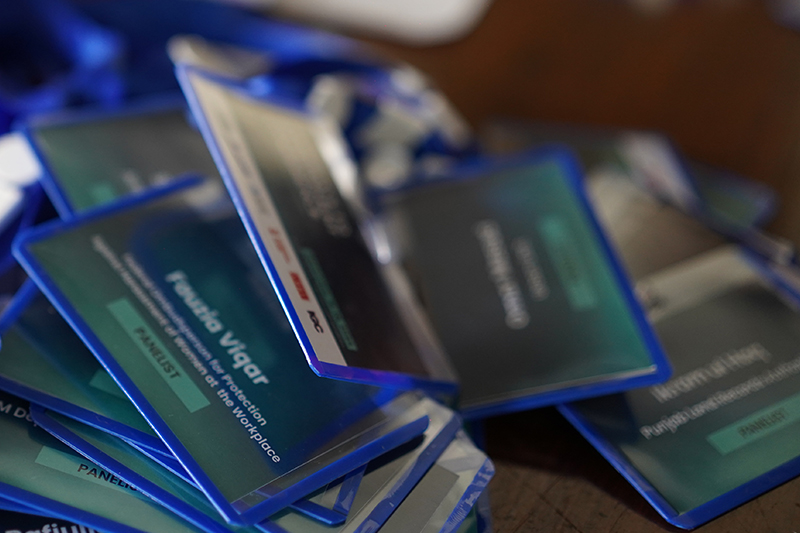
All set for Path2Dev 2024! Lanyards lined up, ready for participants to collect
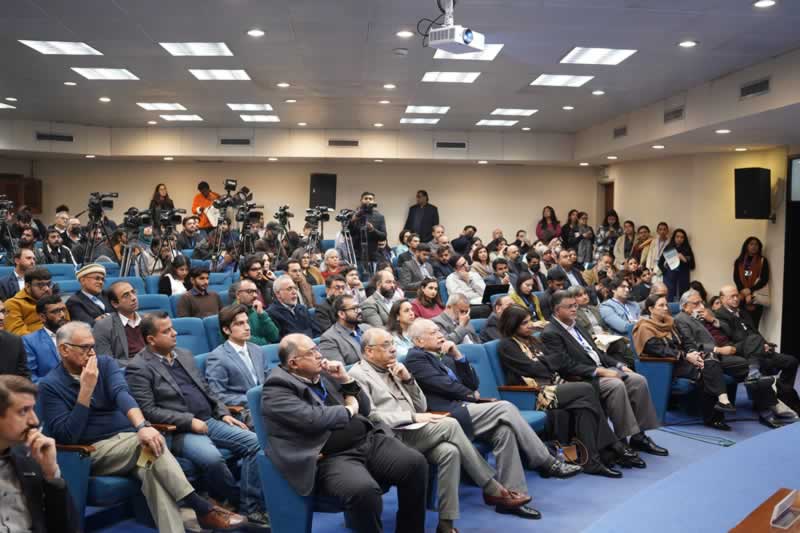
A full house! Day 1 of Path2Dev kicked-off with Justice Mansoor Ali Shah鈥檚 compelling address on the importance of climate justice
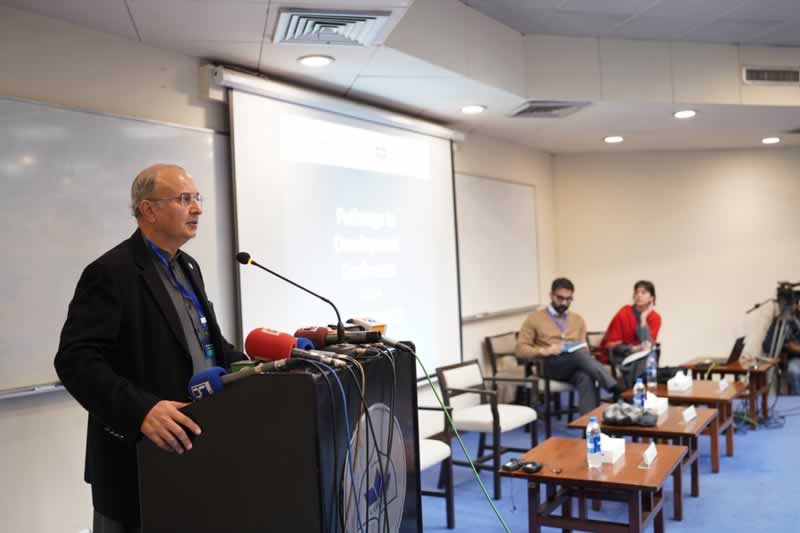
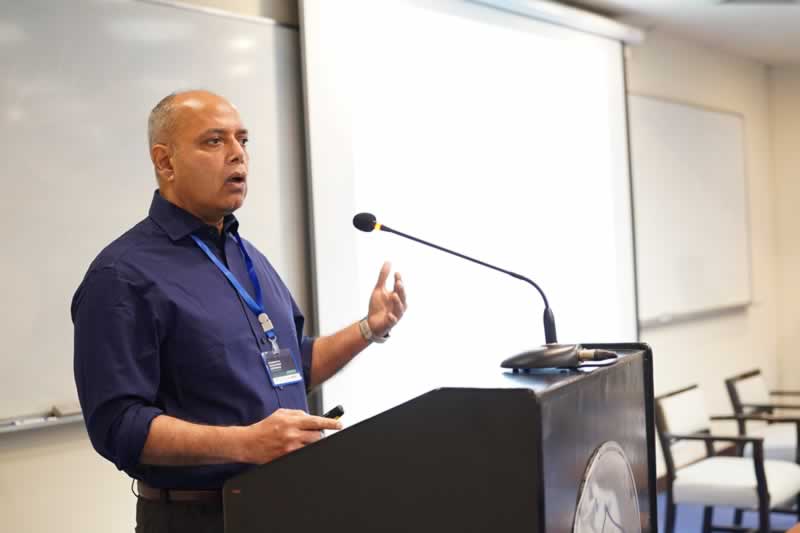
鈥淐limate change is here for real, and it is the greatest existential challenge for our generation,鈥� says Justice Syed Mansoor Ali Shah (Supreme Court of Pakistan) while speaking at a session on Climate Justice
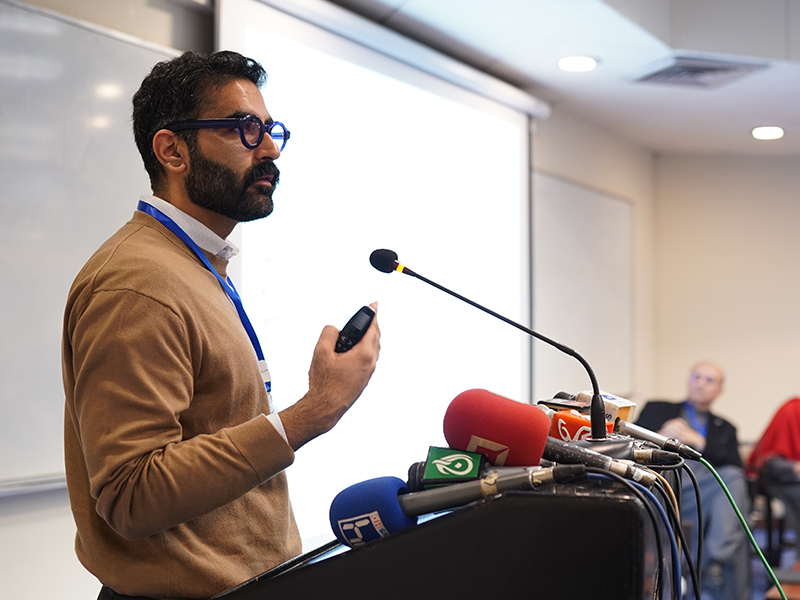
Saad Gulzar (Princeton) shares his insights on how crop burning contributes to hazardous air pollution in South Asia. His research, leveraging satellite data, emphasises the urgent need for government action to mitigate its severe health impacts
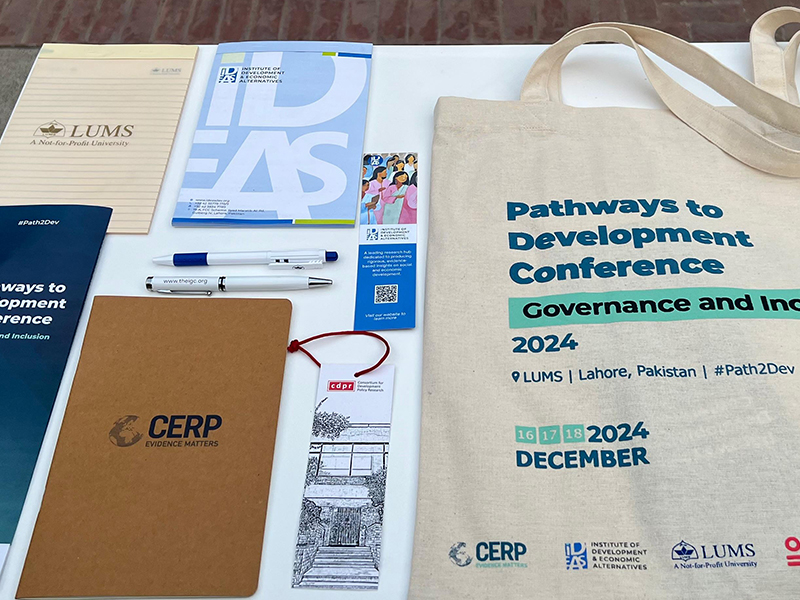
A peek inside the most coveted conference accessory 鈥� the Path2Dev tote bag!
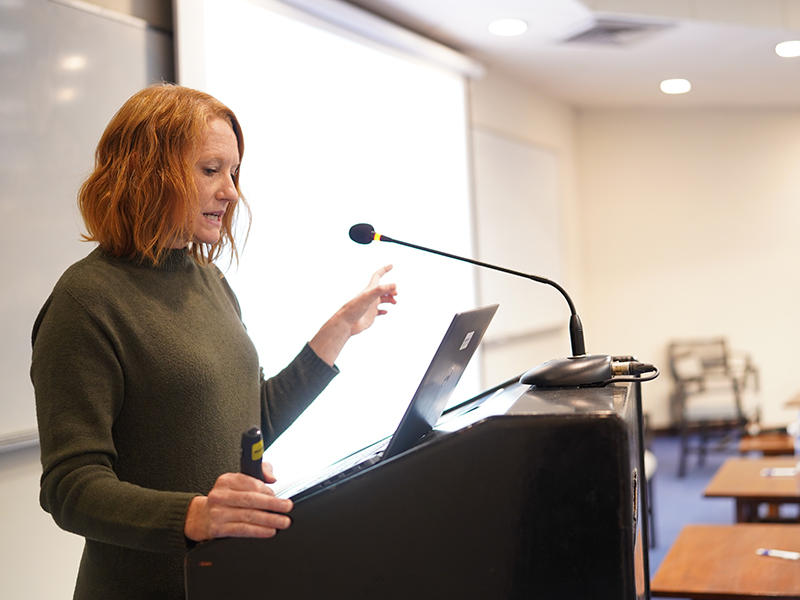
Christina Wieser (World Bank) introduces the panel on 'Poverty, Equity and Resilience Assessment'
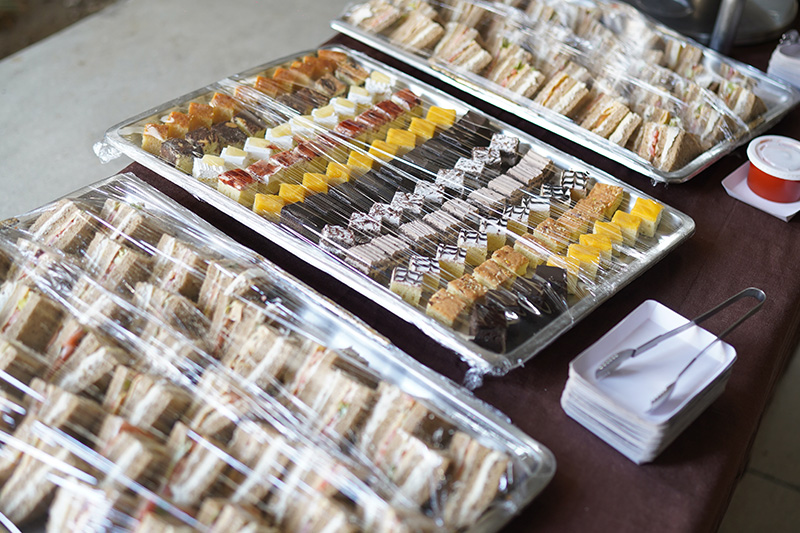
One of the most important parts of any conference - the snack station!
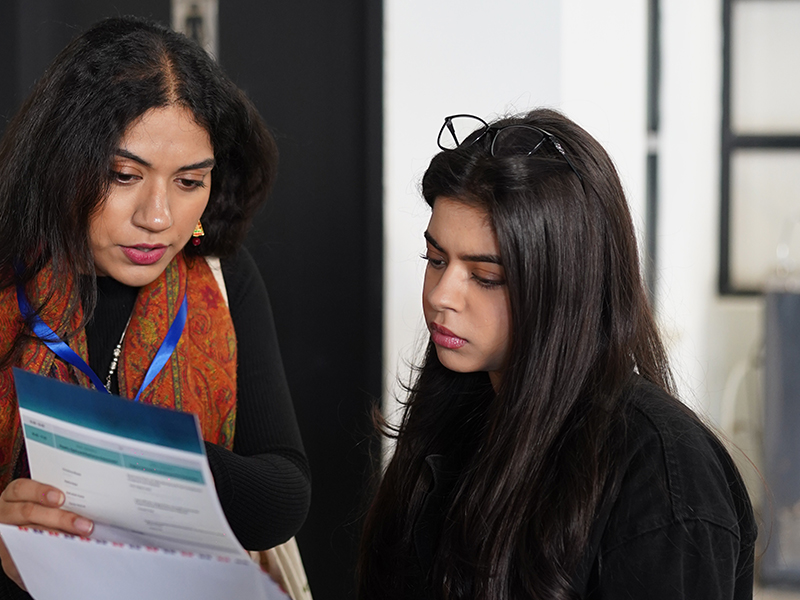
Behind the scenes鈥攐rganisers double-checking the day鈥檚 agenda to ensure everything runs seamlessly!
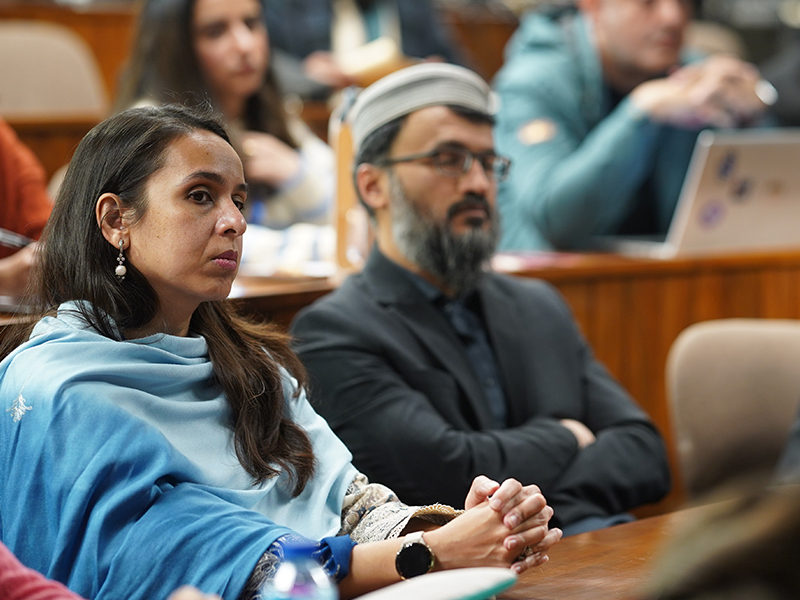
鈥淭his is my third time at Path2Dev! It's a really unique space where you have academics talking to practitioners in the same room. If you're interested in development questions in Pakistan, and particularly if that's something that you feel pessimism about, then I think you should be coming to this conference.鈥� 鈥� Sarah Khan (American University)
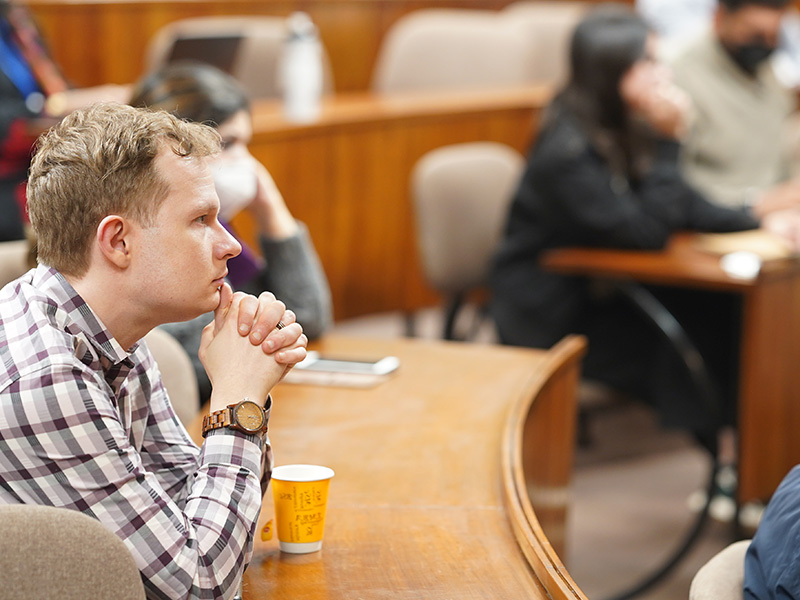
"Its pretty rare to see a conference where you mix policymakers, people who are in office, along with the natural experimentation approaches. I hope people are really inspired by all of the exciting work that is being done in Pakistan relative to its size, it鈥檚 a very under explored context." Cory Smith (University of Maryland)
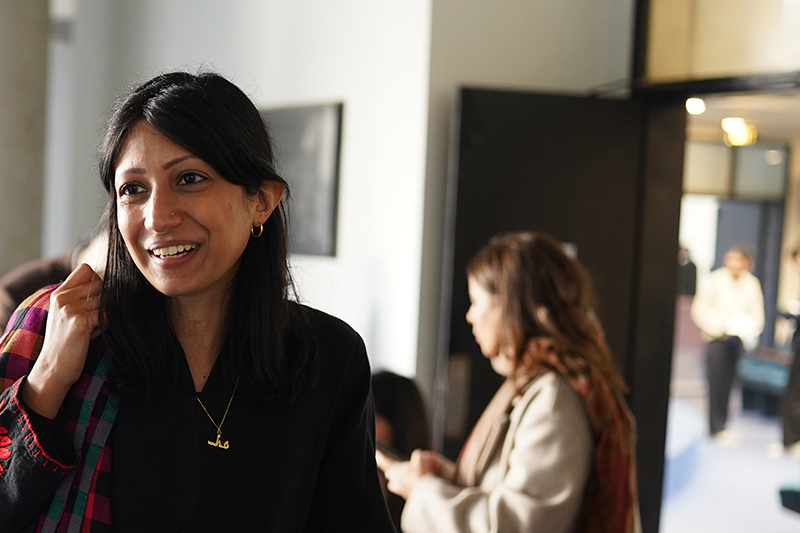
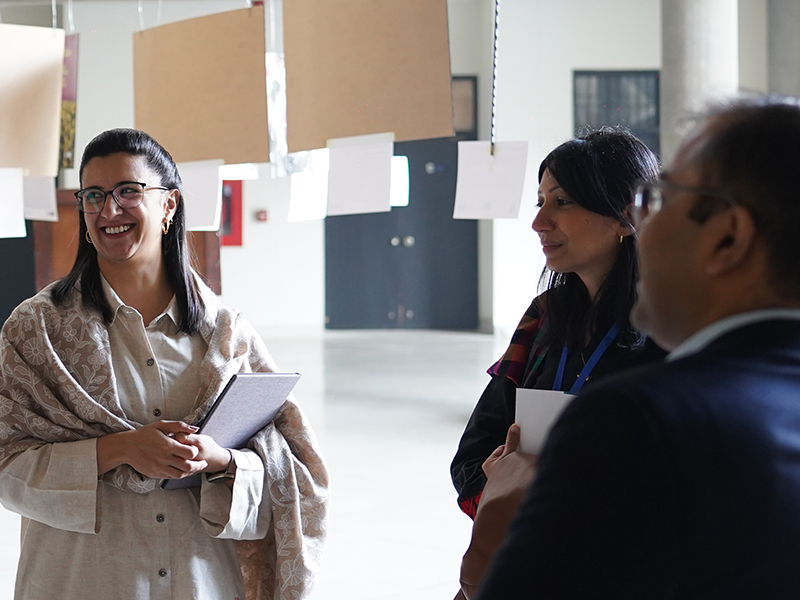
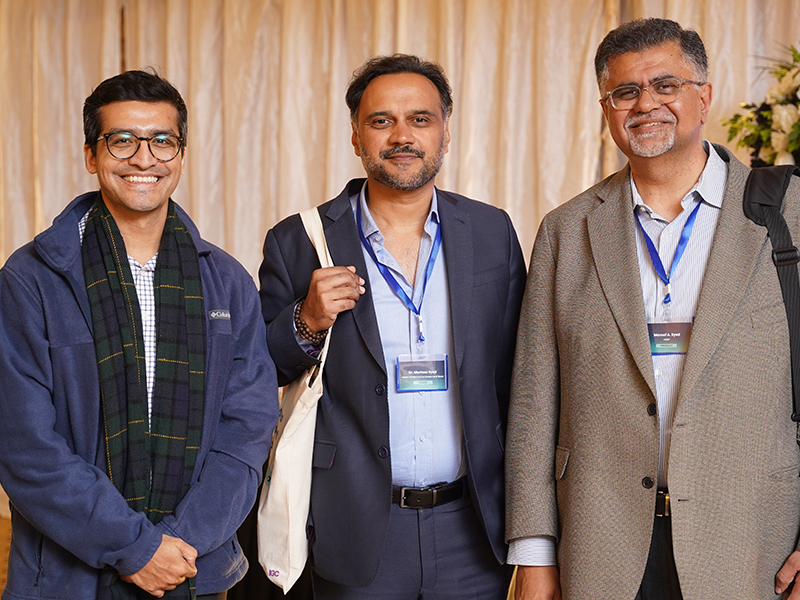
鈥淚n today鈥檚 session for example, we had a behavioural economist, we had a political scientist, someone from a science background, and a sociologist. When you have discussions from different disciplines giving comments to each other, you get more nuanced and richer insights.鈥� 鈥� Farah Said (吃瓜头条) (centre)
Bilal Malik (吃瓜头条) presents his co-authored paper on 鈥楻elationship between Educational Attainment & Social Integration among Madrasa Graduates鈥�
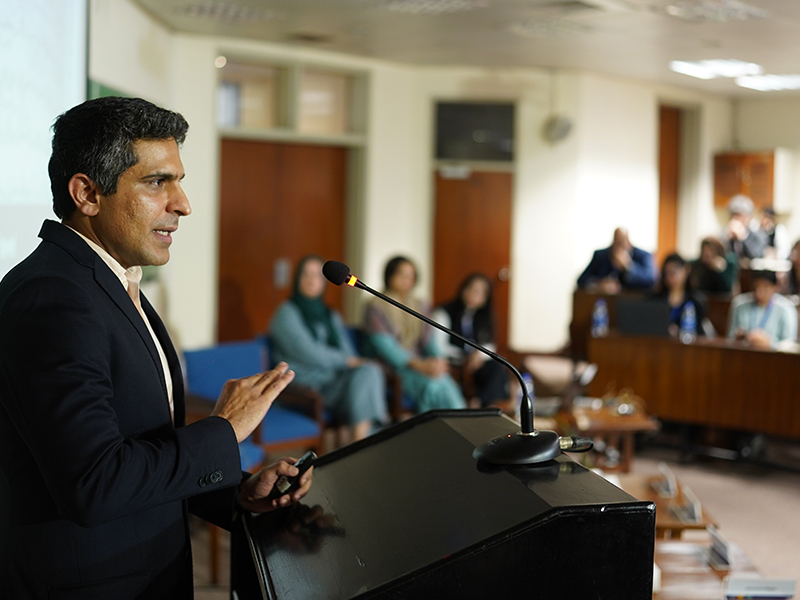
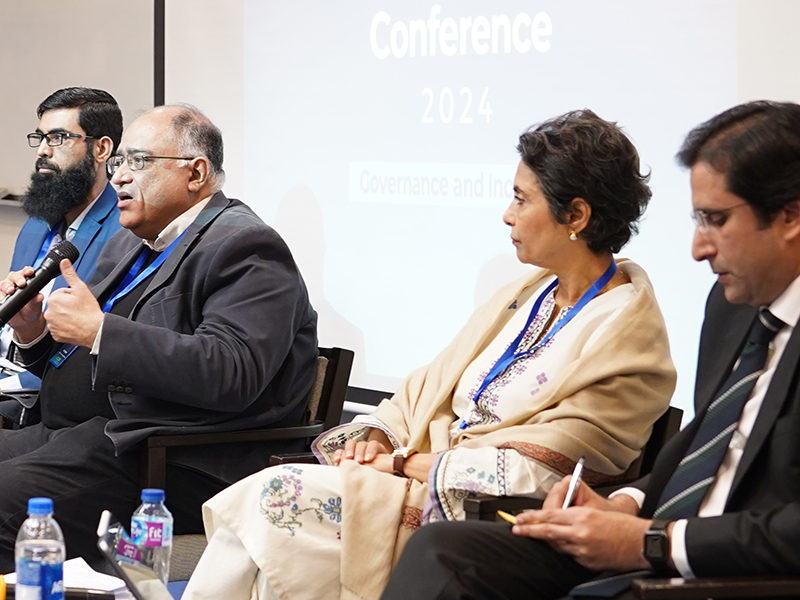
Dr. Ali Cheema, Vice Chancellor, 吃瓜头条, speaks at the panel session on 鈥楽ecuring Land Rights鈥�
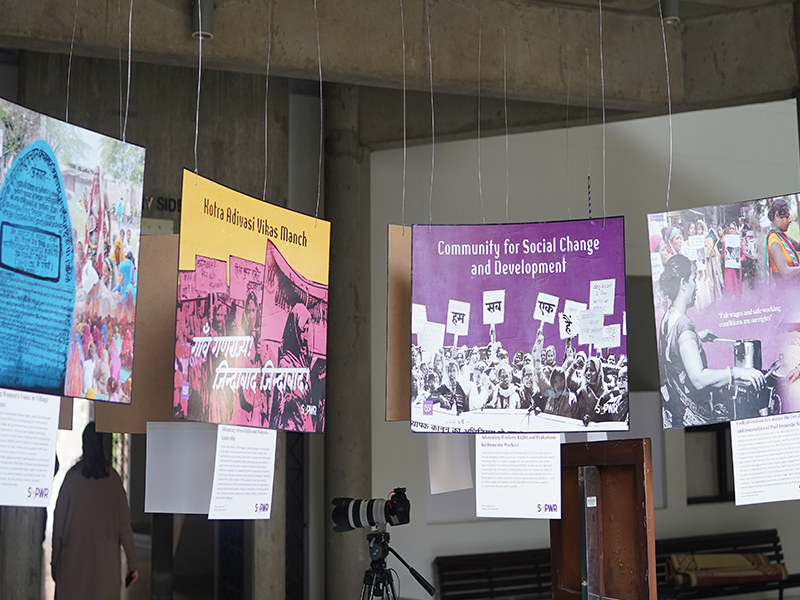
Participants also had the chance to take in the Sustaining Power (SuPWR) Exhibition on the sidelines of the conference
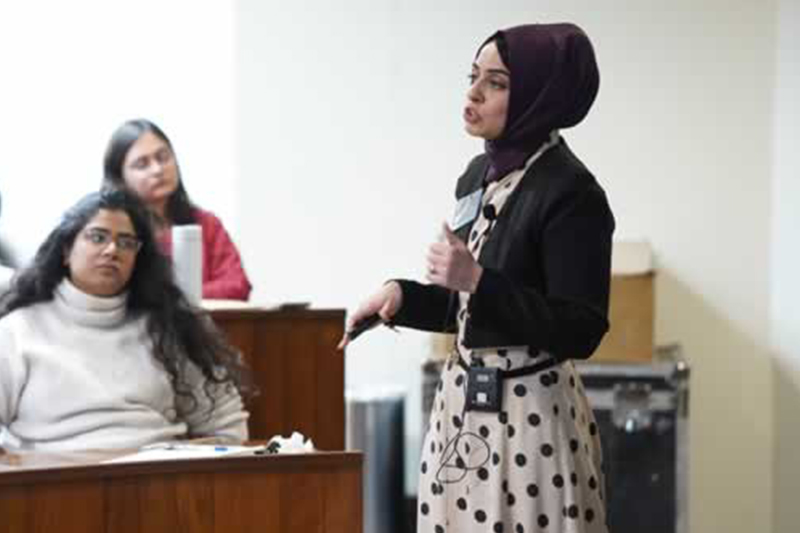
Maryam Mustafa (吃瓜头条) explored how technology, particularly speech-based AI, can bridge gaps in Pakistan鈥檚 healthcare system. She stressed the importance of designing human-centred solutions that are accessible, inclusive, and responsive to local challenges
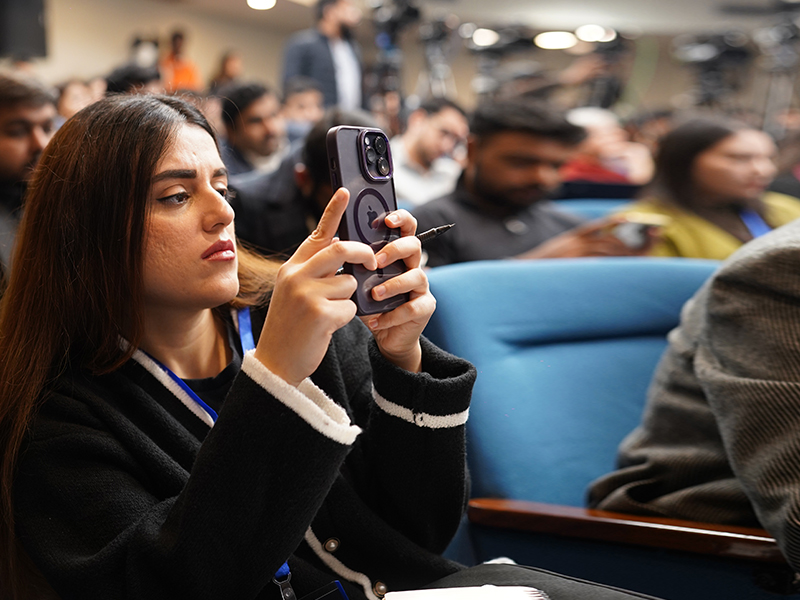
Behind the scenes 鈥� capturing snippets from the session for real-time coverage on social media
鈥淚'm really impressed with the quality of presentations. It's been a pleasure to interact with folks who have done considerable work in the field. A takeaway for me as a researcher is to really think about communicating my research. How do you make sure that you are able to forge that discussion with folks who are not from your field?鈥� 鈥� Saba Aslam (SuPWR) (left)
Smiles all around鈥攅nding Day 2 with laughter, delicious food, and meaningful connections at the conference dinner
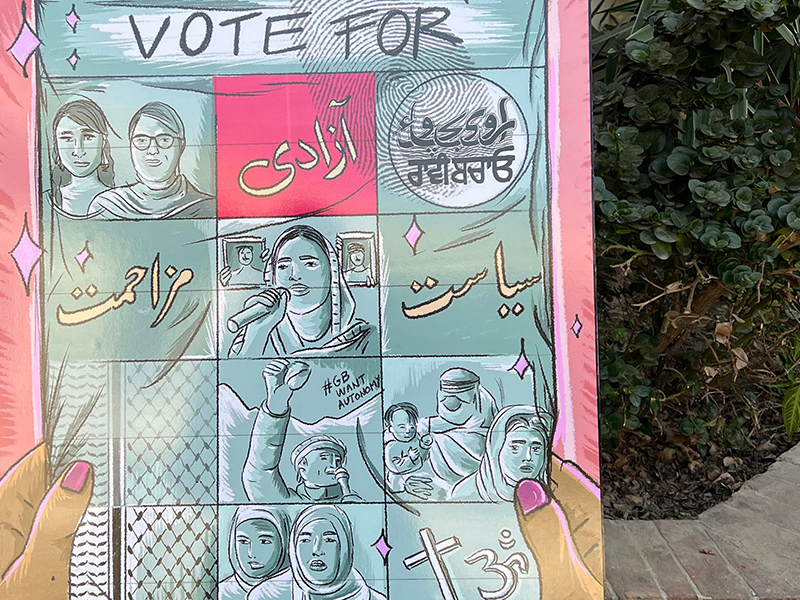
The Aurat March 2024 poster displayed as part of the SuPWR exhibition
Shabana Haider (ThinkWell) highlighted Pakistan鈥檚 greatest public health challenge: the absence of a systems-driven approach. She emphasised the need for improvements in data quality, health financing, and governance to address these issues effectively
Mazhar Waseem (University of Manchester) talked about Pakistan鈥檚 鈥榝iling obsession,鈥� where costly measures focus on increasing tax filers but fail to boost revenue. He called for targeted reforms and systemic fixes to address inefficiencies in the tax system
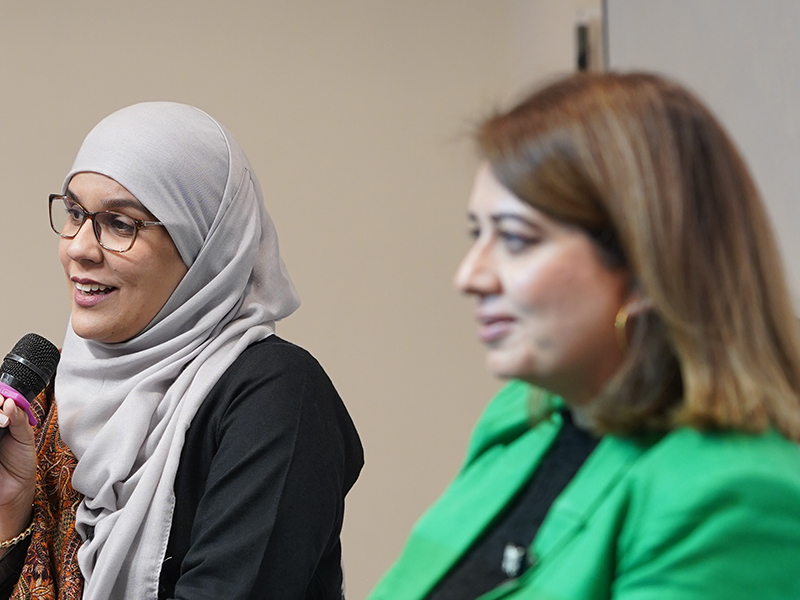
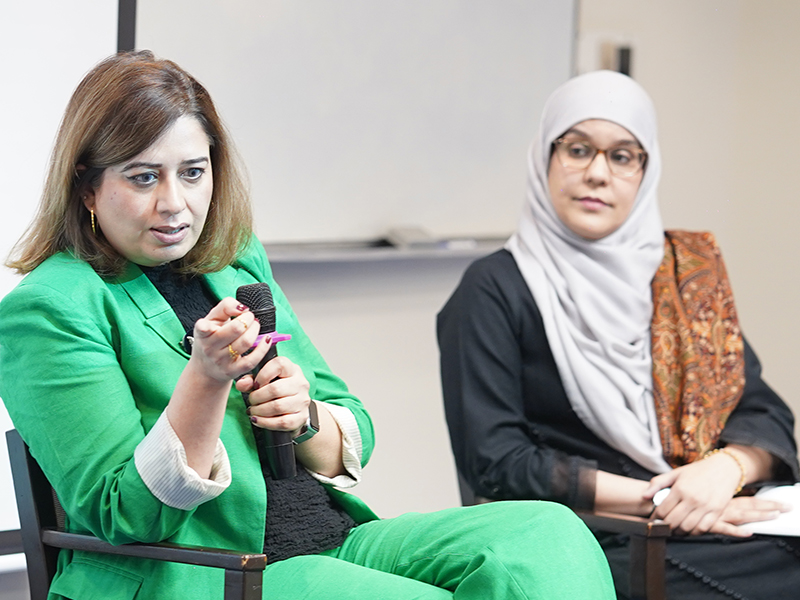
鈥淭he health governance panel really stood out to me. I loved the fact that it was just women on the stage. We've had some fantastic panel discussions but also technical papers. It is an academic conference, but we want to make sure that there are panels in which academics are coming together with practitioners and policymakers; we are always geared towards that combination.鈥� 鈥� Hadia Majid (吃瓜头条) (left)
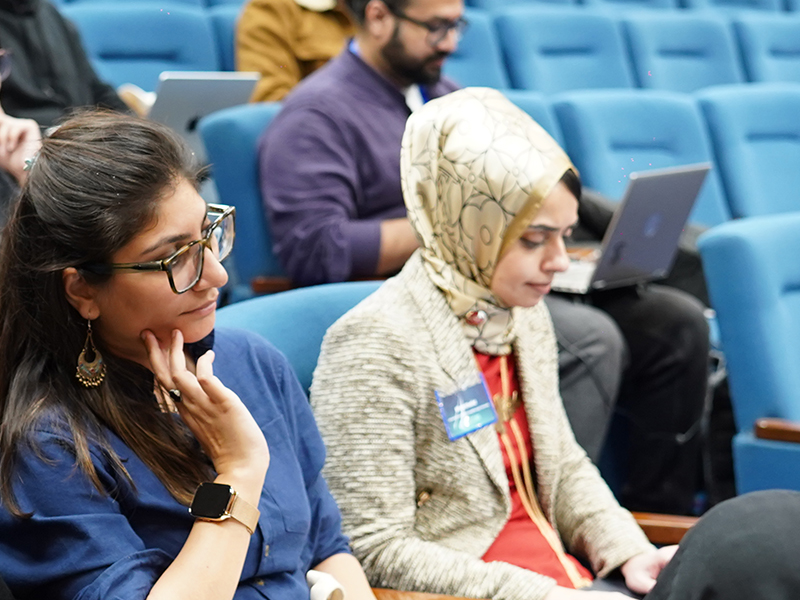
鈥淚 specifically came to attend the panel on gender and managed to attend other sessions as well. The sheer quality of the questions and the diversity of the audience has really stuck with me. You get to hear both sides of the story.鈥� 鈥� Mishal Niaz (BSc 鈥�17) (left)
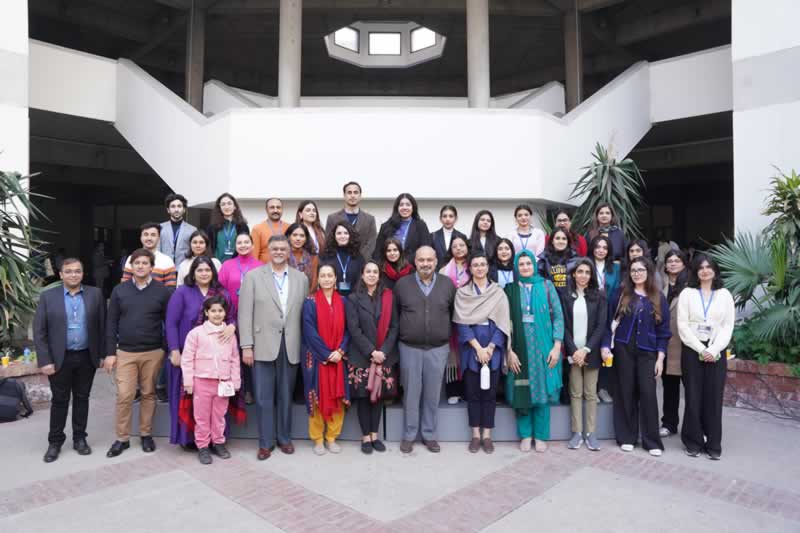
It鈥檚 a wrap! Here鈥檚 to the amazing team behind the 2024 conference. See you next year!